
The Norse in the Hebrides
The windswept coasts of the Isle of Lewis and the Isle of Harris have witnessed many centuries of history, but few periods shaped the islands as profoundly as the Viking era. When Scandinavian settlers arrived here over 1,000 years ago, they left a legacy that still lives on today – in the landscape, the language, and the cultural identity of the Hebrides.
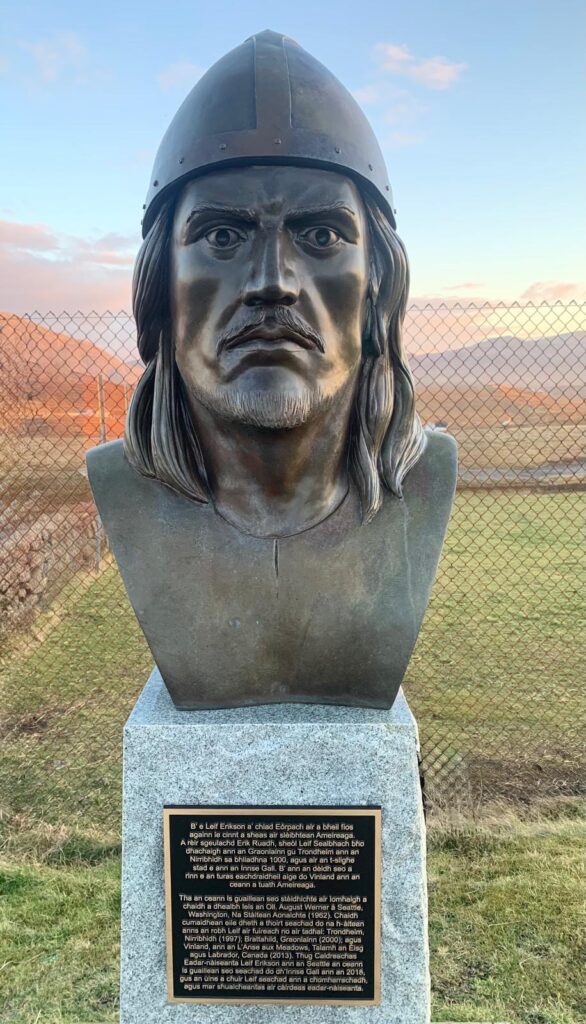
From the late eighth century, Scandinavian seafarers – often known as Vikings – began arriving across the Hebrides. At first they came as raiders, but before long many stayed, settling on the islands and building farms and communities. By the ninth century, Norse influence was firmly established, and Lewis had become part of a wider Norse-Gaelic world that stretched across the North Atlantic.
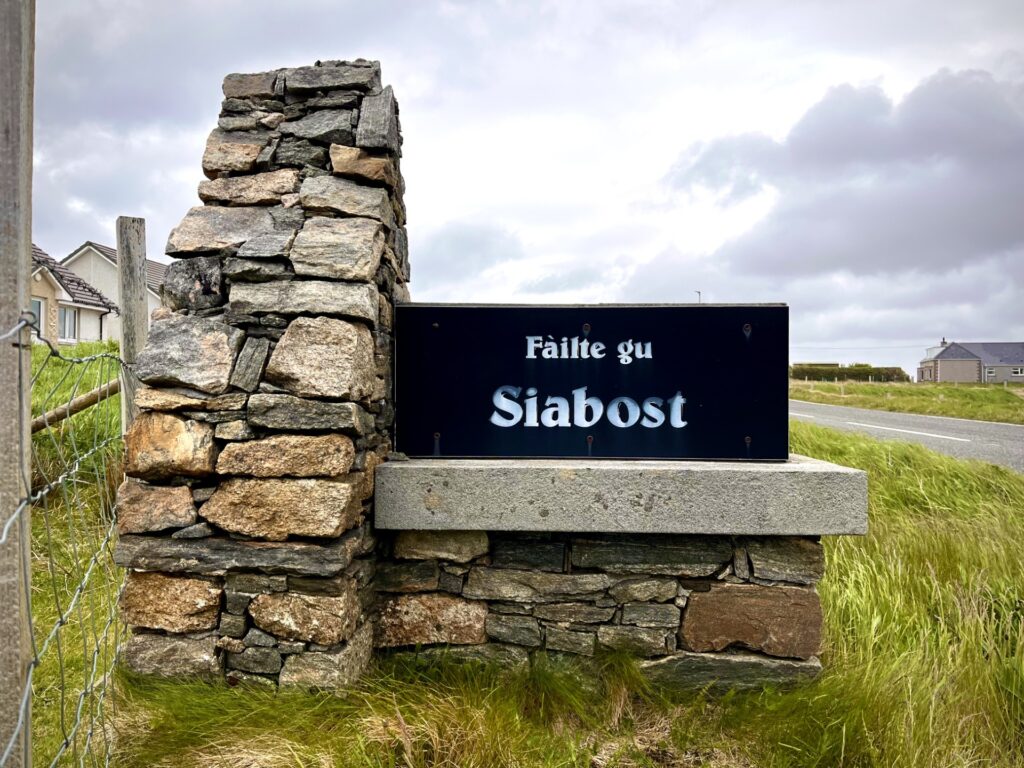
One of the clearest signs of this Norse heritage is found in the island’s place names. Many settlements in Lewis have names derived from Old Norse. If you notice villages ending in “bost”, for example, you are hearing a word that comes from the Old Norse bólstaðr, meaning a farm or homestead.
These names reveal that Norse settlers did far more than raid the islands—they farmed the land, raised families and made the Hebrides their home. Over time, their language blended with Gaelic, contributing to the distinctive form of Scottish Gaelic spoken across the islands today.
For several centuries, the islands were part of the Norse Kingdom of the Isles, connected to Norway and the wider Norse world. This period came to an end in 1266 with the Treaty of Perth, when the Hebrides passed from Norwegian rule to the Scottish king Alexander III of Scotland. Even after this political change, Norse traditions and systems of landholding continued to influence our island life.
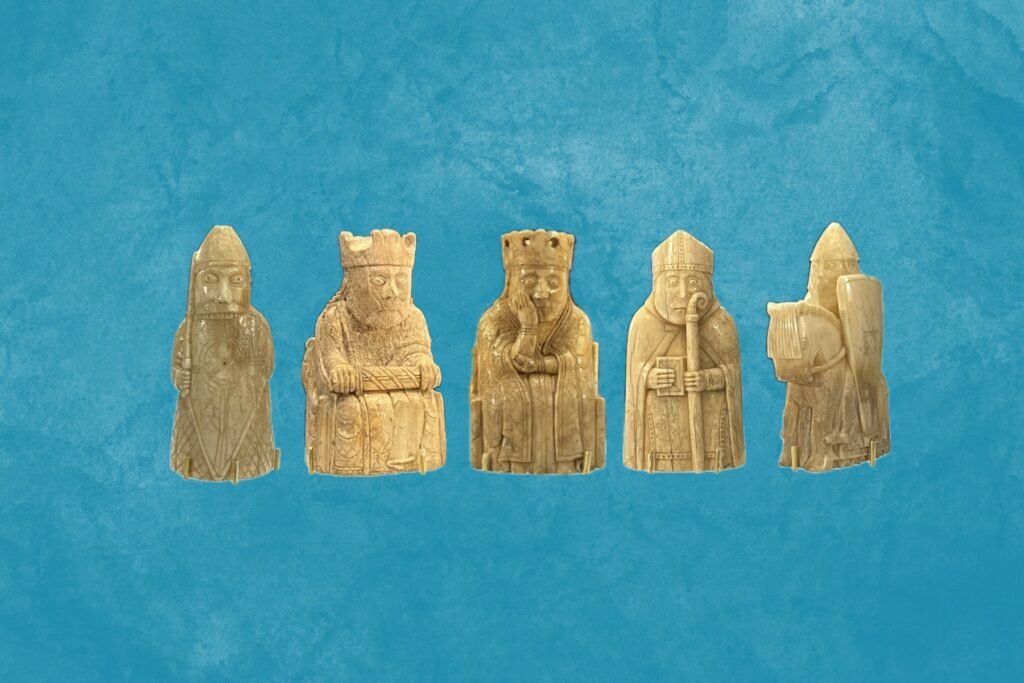
One of the most remarkable discoveries connected to this period are the world-famous Lewis Chessmen, uncovered in 1831 near Uig in southwest Lewis. Carved from walrus ivory and probably made in Norway, these beautifully detailed pieces are widely regarded as one of the finest treasures of the Viking era.
Today, Norse heritage remains an important part of the Outer Hebrides’ identity. Continuing traditions of seafaring, storytelling and resilience in a wild Atlantic environment echo the lives of the early settlers who crossed the sea more than 1,000 years ago.