
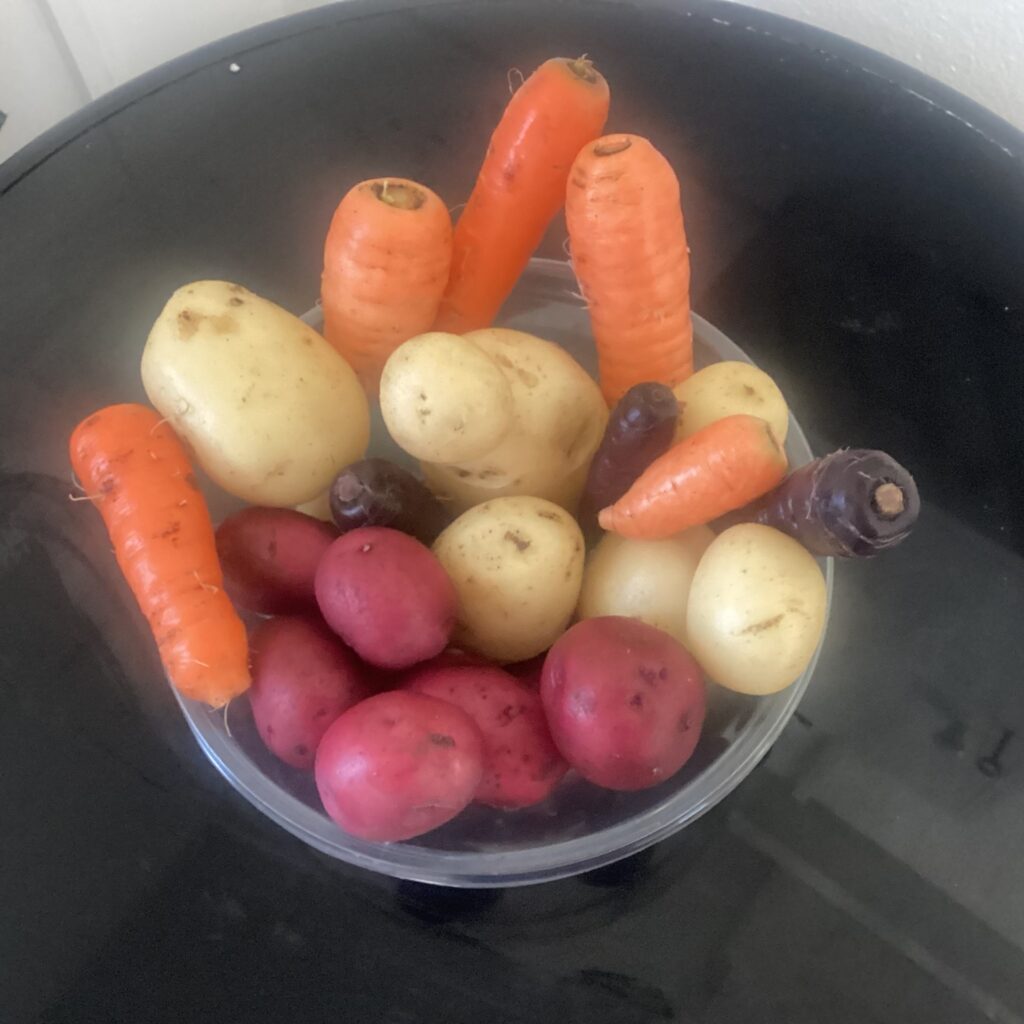
Quality ingredients from sea and shore
Cooking in our islands used to be done by women. Traditional cookery skills were handed down the generations. Ingredients were scarce, leaving no room for experimentation.
One of the classic earlier Scottish cookery books was The Scots Kitchen by F Marian MacNeil, published in 1929. Recipes include winkle soup and crappit heids (fish livers and oatmeal boiled in a large fish head.) They illustrate a cuisine based on wholesome food with no frills.
In most households, on Sunday, a gigot of lamb was cooked in a huge pan with big chunks of carrot and turnip, onions and a handful of pulses, including pearl barley. This provided soup, meat and vegetables from the pan and a mountain of potatoes, usually boiled in their skins.
Quality ingredients from sea and shore were plentiful. In recent years, creative local chefs have transformed these into culinary masterpieces. One of the most talented island chefs was the late Murdo Alex Macritchie from Ness. His cooking was heavily influenced by classical French and Italian techniques, but using ingredients from the Hebrides. His cookery book HAAR: the New Hebridean Kitchen, took Hebridean cuisine to new heights and is available in local bookshops.
Murdo Alex was even brave enough to produce a culinary take on guga (salted gannet), the soul food of the Ness area of Lews, using salted guga, potato scone, soused gooseberries, buttermilk gel and sea aster. His recipe for grey lag goose leg featured smoked pumpkin, kale, honey roasted seeds and beer and honey gravy.
Marag dhubh or black pudding has had a makeover in recent years too. It dates from a time when every portion of a slaughtered animal was used and is found throughout Europe. In France, it’s called boudin noir and in Germany Blutwurst. It was traditionally served in a breakfast fry-up, but Seumas MacInnes of Glasgow restaurant Café Gandolfi took it to a new level in The Black Pudding Bible. He uses Stornoway black pudding in pakoras and dim sum, dumplings and sausage rolls.
Since lockdown, Coinneach Macleod, the Hebridean Baker, has attracted millions of followers to his TikTok website and produced four cookery books. Family recipes, Scottish flavours and the myths and legends of the Hebrides inspired him. He has tips for enhancing traditional recipes and producing tempting bakes with a twist. Anyone for Harris gin and raspberry pavlova or hot toddy chou buns for a winter warmer?
Many island cooks have enhanced Hebridean cuisine’s status in recent years. The Niseach Chef, Allan Macritchie, a masterchef from north Lewis, has a huge following in the local and national cookery world. Eoin Smith from Shader Barvas is head chef at the Rosami restaurant in Malta, which achieved its first Michelin Star in 2024.
Hebridean cuisine has come a long way from sgadan saillt (salted herring) and potatoes or sheep’s head broth.